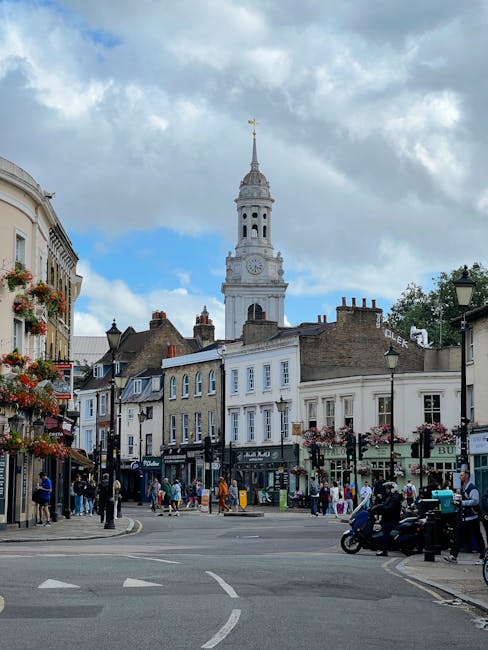
Narrow street access and removals solutions Greenwich
Moving in Greenwich can be straightforward on paper, then suddenly a narrow road, parked cars, a tight turning circle, or a flight of awkward steps changes everything. That is where Narrow street access and removals solutions Greenwich really matter. The job is not just about lifting boxes; it is about planning the route, choosing the right vehicle, protecting your property, and keeping the move calm when space is limited.
In practical terms, narrow-access removals are for homes, flats, and small businesses where a standard large lorry may struggle to park or manoeuvre safely. The right approach can save time, reduce damage, and make the day feel far less chaotic. If you want a fuller overview of move types, you may also find removals and man with van services useful as related starting points.
This guide explains how narrow street removals work, what makes Greenwich tricky in the first place, and how to prepare for a move that needs a bit more thought than usual. Nothing mystical. Just sensible planning, decent communication, and the right kit.
Table of Contents
- Why Narrow street access and removals solutions Greenwich Matters
- How Narrow street access and removals solutions Greenwich Works
- Key Benefits and Practical Advantages
- Who This Is For and When It Makes Sense
- Step-by-Step Guidance
- Expert Tips for Better Results
- Common Mistakes to Avoid
- Tools, Resources and Recommendations
- Law, Compliance, Standards, or Best Practice
- Options, Methods, or Comparison Table
- Case Study or Real-World Example
- Practical Checklist
- Conclusion
- Frequently Asked Questions
Why Narrow street access and removals solutions Greenwich Matters
Greenwich has a mix of residential streets, terraced houses, mansion blocks, conversions, and busy through-roads. Some areas are fine with a conventional removals vehicle. Others are not, simple as that. A narrow street can mean your van cannot safely stop outside the property, or can only do so for a few minutes before blocking traffic or attracting unwanted attention from frustrated neighbours.
That matters because removals are time-sensitive. Every extra trip, every difficult park, and every carried item across a longer distance adds strain. In a narrow street, the margin for error is tiny. One badly planned arrival can lead to scratched furniture, stressed neighbours, or a move that drags into the evening when everyone is tired and the light is fading.
It is also a local quality-of-life issue. Greenwich streets can be lively, and on a wet Tuesday morning, with delivery vans already in place and a family trying to get out of the way, the last thing anyone wants is a clumsy, oversized vehicle wedged into a corner. The right removals solution keeps the street clear and the work efficient.
Expert summary: the best narrow-access move is not the one that uses the biggest vehicle; it is the one that uses the smartest plan.
If you are comparing service types, a removal company may suit larger, more coordinated moves, while a more flexible option like man and van can be ideal where access is tight and the load needs a lighter-touch approach.
How Narrow street access and removals solutions Greenwich Works
Narrow street removals usually start before moving day, not on it. The mover should assess the street width, parking options, turning space, property entrance, stairwells, and any obstacles such as bollards, low trees, restricted bays, or repeated double parking on the same road. Sometimes a quick photo exchange is enough. Sometimes a site visit is wiser. It depends on the complexity.
Once the access is understood, the move is planned around the space available. That can mean using a smaller moving van instead of a larger lorry, splitting the load into two runs, positioning the vehicle a short walk away, or sending a team with equipment that makes carrying easier and safer.
On the day, the key is sequencing. The team usually protects floors and door frames first, then moves the largest or most awkward items before filling the van with smaller boxes. In narrow streets, every minute counts, so a good team avoids hesitation. It is a bit like a kitchen dance, to be fair: one person carrying, one spotting, one loading, one keeping the route clear. Not glamorous, but effective.
For commercial premises, access planning is even more important because office equipment, file storage, and fragile tech often need different handling. If that sounds familiar, see office removals and office relocation services for related support options.
Good narrow-access removals are built on three things: accurate information, the right vehicle size, and a crew that can adapt when the street is tighter than expected. That last part sounds obvious. It is not always done well.
Key Benefits and Practical Advantages
The main benefit is obvious: you reduce the risk of the move failing because of access issues. But the knock-on advantages are just as useful.
- Less risk of damage: smaller vehicles and shorter carry routes usually reduce bumps, scrapes, and awkward lifting.
- Better time control: a move planned for narrow access is less likely to stall halfway through the day.
- Cleaner street management: careful parking and quicker loading help avoid obstructing neighbours or traffic.
- Lower stress: when the access plan is sorted, the whole job feels more manageable.
- More flexibility: small access jobs can be adapted more easily if the road layout changes or parking is tight.
There is also a practical comfort factor. If you live in a top-floor flat, a terrace with no front drive, or a conversion with a narrow stairwell, the idea of a giant removals truck is not reassuring. A smaller, well-run service can feel much safer and frankly more sensible.
For people who want a mix of speed and flexibility, a tailored removal services approach is often more useful than trying to force a one-size-fits-all booking. And if you are shifting a lighter load, man and van removals can be a neat fit.
Who This Is For and When It Makes Sense
This kind of service is not just for difficult roads. It suits anyone whose move would be harder if a vehicle had to park far away, reverse into a pinch point, or spend ages manoeuvring. In Greenwich, that can include:
- people moving from terraced homes on narrow residential roads
- flat moves in older buildings with limited access
- students or renters with smaller loads but awkward entry points
- families moving furniture from a property with no driveway
- small offices relocating from compact town-centre buildings
- anyone who needs a smaller vehicle and a more nimble crew
It makes sense when the load itself is not the only issue. The access is part of the job. Sometimes the furniture is fine, the route is the problem. That distinction matters more than many people expect.
You might also want this kind of solution if you are arranging a single awkward item, such as a sofa or wardrobe, and the street makes a standard collection awkward. In that case, furniture pick up can be a practical option.
And if your move is not enormous but still needs proper care, house movers and house removals services may fit better than hiring a large vehicle you do not really need.
Step-by-Step Guidance
If you want a smooth narrow-street move, the process should feel calm and structured. Here is the version that usually works best.
- Assess the access early. Check street width, parking pressure, and whether the vehicle can get close enough to the entrance.
- List the difficult items. Measure large furniture, appliances, mirrors, and anything with awkward weight or shape.
- Choose the right vehicle size. Smaller is often better where space is limited. A compact removal van can be much easier to position than a larger truck.
- Plan the load order. Load the heaviest pieces first and keep essentials accessible for the final drop-off.
- Protect the property. Use blankets, covers, straps, and floor protection before any lifting begins.
- Keep the route clear. Ask someone to hold doors, spot hazards, or manage the path between van and property.
- Allow for a fallback. If the van cannot stop right outside, know where it can stop safely and how long carrying will take.
- Confirm arrival timing. Tight streets can fill up quickly, so a good time slot is often as important as the vehicle itself.
One small but useful tip: keep the first box you want at the new property in an obvious place. A kettle, mugs, phone charger, and a few toiletries can make the first hour feel much less messy. The move is still the move, but at least the tea situation is under control.
Expert Tips for Better Results
In our experience, the best narrow-access moves are the ones where the customer and mover share the same picture of the street. Not a vague picture. A real one.
- Send photos of both ends of the move. Front entrance, street view, parking bay, stairwell, hall, anything that helps.
- Measure the big items properly. Guessing leads to headaches. A wardrobe that is "probably fine" often isn't.
- Be honest about parking restrictions. If the closest spot is usually taken, say so early.
- Use soft packing for fragile loads. Bubble wrap, blankets, and sturdy cartons make a bigger difference than people think.
- Split packing by room. That saves time when the van is parked a short distance away.
- Book packing help if you are rushed. Packing and unpacking services can be a lifesaver if you are juggling work, kids, or a deadline.
Another good habit is to keep a realistic attitude about the street itself. Greenwich traffic, delivery schedules, and neighbour parking habits can all affect the day. If the access looks tight, build in a cushion. A move with a bit of breathing room usually feels far less frantic.
And yes, sometimes the van ends up a little further away than planned. It happens. That is why preparation matters more than bravado.
Common Mistakes to Avoid
Most narrow-street problems are preventable. They usually come from rushing the planning stage or assuming the street is simpler than it looks.
- Booking the wrong size vehicle. Bigger is not always better. In a tight Greenwich street, a smaller vehicle can be the smart choice.
- Not checking parking restrictions. A great loading plan means little if the vehicle cannot legally or safely stop.
- Forgetting access to the property entrance. A clear road is not enough if the hallway, stairwell, or gate is awkward.
- Underestimating the carry distance. Fifty extra metres sounds small until you are on the fifth trip.
- Leaving packing to the last minute. Loose items slow everyone down and make narrow corridors even more crowded.
- Not flagging fragile items. The mover cannot read minds. Glass, antiques, and electronics need to be called out clearly.
One of the most common errors, oddly enough, is optimism. Everyone wants to believe the van will just fit. Sometimes it will. Sometimes it really will not. Better to ask the awkward question early than find out while a queue of cars builds behind you.
Tools, Resources and Recommendations
You do not need a warehouse of specialist gear for a narrow street move, but a few sensible tools make life easier.
- Measuring tape: useful for furniture dimensions, door frames, and stair landings.
- Furniture blankets and covers: help protect corners, tabletops, and polished surfaces.
- Straps and trolleys: support safe lifting and reduce strain on the crew.
- Sturdy boxes and tape: better packing means easier handling in tight spaces.
- Phone photos: simple, but very effective for sharing access details quickly.
If you are comparing transport options, moving van, removal van, and man with a van pages are useful reference points for understanding different service styles. For heavier or more structured jobs, a moving truck may still be appropriate, but only if access allows it.
If you are planning a business move, you may also want to look at commercial moves for a broader view of office and premises relocations. Not every job is the same, and that is the whole point.
Law, Compliance, Standards, or Best Practice
Narrow street removals in Greenwich are usually less about formal legal complexity and more about doing things properly. That said, there are some best-practice points worth keeping in mind.
Parking and access: vehicles should not be left in a way that creates unnecessary obstruction or unsafe conditions. If parking is tight, the mover should plan around local restrictions, permit needs, and sensible loading times. Exact rules vary by street and situation, so they should always be checked rather than guessed.
Safety at work: good removals practice should include safe lifting, clear walkways, secure loading, and proper use of equipment. If a company talks openly about its health and safety policy, that is usually a positive sign, because it suggests they take the job seriously rather than casually.
Insurance awareness: when furniture is carried through tight spaces, the risk of accidental scuffs or knocks rises a bit. It is sensible to ask about insurance and safety before the move. You do not want guesswork here.
Terms and expectations: clear booking terms help everyone. Confirm what is included, what happens if access is worse than expected, and whether extra carry distance or waiting time may affect the job. For that, terms and conditions and pricing and quotes are sensible pages to review before you commit.
Recycling and disposal: if the move involves decluttering or getting rid of unwanted items, check how the company handles reuse and waste. Responsible disposal matters. See recycling and sustainability for more context.
Options, Methods, or Comparison Table
The right solution depends on access, volume, and how much help you want on the day. Here is a simple comparison that should make the decision easier.
| Option | Best for | Strengths | Watch-outs |
|---|---|---|---|
| Man and van | Smaller moves, tight streets, flexible timings | Easy to manoeuvre, practical, often quick to arrange | May not suit very large loads |
| Removal van | Medium moves where access is limited | Balanced capacity and access control | Still needs sensible parking space |
| Moving truck | Larger volumes with decent access | More capacity in fewer trips | Can be awkward in narrow roads |
| Full removal company | Complex home or office moves | More coordination, more support, better for layered jobs | May cost more than a simple van booking |
There is no universal winner. A tiny flat move on a cramped road can be ideal for a man with van removal arrangement. A bigger family house move might be better handled by house removalists. The trick is matching the method to the street, not just the inventory.
Case Study or Real-World Example
Picture a standard Greenwich terrace: no driveway, a narrow road with cars parked on both sides, and a two-bedroom flat upstairs. The furniture includes a bed frame, mattress, sofa, desk, dining table, six boxes of books, and a few fragile kitchen items. Nothing outrageous. But the access? Tight.
In a situation like that, a smaller van is usually more sensible than a large lorry. The mover would ask for photos of the entrance, hall, stairwell, and street. They would likely advise early morning loading, when the road is a little calmer. Boxes would be packed by room, the largest items would be carried out first, and the team would keep the route clear so nobody is tripping over a rogue lamp or a child's scooter. Happens more often than you would think.
The result is usually a more controlled move with fewer delays. Not necessarily faster in the dramatic sense, but smoother. And smoother is what you want when the street gives you very little room to play with.
For household moves with similar constraints, browsing home moves can help you picture the level of support you need before you book.
Practical Checklist
Use this before your moving day if your property is on a narrow street in Greenwich.
- Measure the largest furniture and confirm it will fit through doors and stairs
- Take clear photos of the street, entrance, and parking situation
- Decide whether a smaller van is better than a large truck
- Tell the mover about access restrictions, timed parking, or permit concerns
- Pack boxes securely and label fragile items clearly
- Reserve space for loading if it is permitted and sensible to do so
- Keep a first-night box separate for essentials
- Protect floors, corners, and bannisters
- Confirm who will handle heavy items and awkward objects
- Check the booking terms, insurance, and payment details in advance
If you are not sure whether the job is straightforward enough for a smaller setup, a quick chat with a movers team can usually clarify things. Better that than guessing and hoping the van gods are kind.
Get a free quote today and see how much you can save.
Conclusion
Narrow street access and removals solutions Greenwich are about removing friction before it turns into a problem. When the road is tight, the parking is awkward, and the property is a little less forgiving than a brochure photo suggests, the right plan makes all the difference.
The good news is that these moves are manageable. With the right vehicle, careful packing, sensible timing, and honest access details, even a cramped Greenwich street can be handled calmly. You do not need perfect conditions. You just need the move to be thought through properly.
And once the last box is in, the kettle is on, and the street noise fades a bit, it usually feels worth the effort. One careful move now can save a lot of stress later.
Frequently Asked Questions
What counts as a narrow street for removals?
There is no single exact width that defines it. In removals, a narrow street is any road where parking, turning, loading, or reversing becomes difficult for a larger vehicle. The real test is whether the mover can stop safely and work without blocking the street for too long.
Is a man and van better than a large removals truck for Greenwich streets?
Often, yes. A smaller vehicle can be easier to park and manoeuvre in tighter roads. That said, the best option depends on the volume of items, the distance from vehicle to property, and whether you need more manpower on the day.
How do I know if my furniture will fit through a narrow entrance?
Measure the widest and tallest parts of the furniture, then compare those measurements with the doorway, hallway, and stairwell dimensions. If the item needs to turn a corner, remember that shape matters as much as size. A mover can usually advise if you send photos and measurements early.
Should I book a site survey for a narrow access move?
If the move is straightforward and you can provide good photos, a site survey may not be necessary. But for awkward properties, difficult parking, or larger items, a survey can save confusion later. It is one of those small jobs that can prevent a much bigger headache.
Can removals still be completed if the van cannot park right outside?
Yes, usually. The team may need to park further away and carry items a longer distance. That is common in central and residential parts of Greenwich. It just needs to be planned so the extra carry time does not catch anyone out.
What should I tell the mover before the move?
Share the street layout, parking restrictions, property type, stairs, lift access, large furniture items, and any time limits. The more accurate the picture, the easier it is to bring the right vehicle and enough help.
Do narrow street moves take longer?
They can, yes. If parking is further away, or the route from vehicle to property is more complex, the move may take longer than a standard easy-access job. That is why a realistic schedule matters.
What if there is no parking available at all?
The mover may need to use a nearby legal stopping point and work from there. In some cases, a smaller van or a different time slot makes the difference. If access is extremely limited, it is worth discussing the route in detail before booking.
Are narrow access moves more expensive?
They can be, depending on the extra time, team size, carry distance, and vehicle requirements. But not always. Sometimes a smaller van and a well-planned route keep costs sensible. The best approach is to ask for a clear quote based on actual access conditions.
What items need the most care in a tight street move?
Large glass items, mirrors, wardrobes, sofas with delicate fabric, appliances, and anything heavy but awkward tend to need the most attention. In narrow spaces, corners and door frames are the main danger points, so protection and steady handling matter.
Can packing help make narrow street removals easier?
Absolutely. Well-packed boxes stack more safely, move faster, and reduce the chance of loose items spilling in a cramped hallway. If you are short on time, professional packing can make the whole job less stressful.
What is the best first step if I think my street is too tight?
Take a few photos and ask for advice before you book. A good mover can usually tell you whether a smaller vehicle, different timing, or a more flexible loading plan will solve the problem. That first conversation is often the turning point.