Health and Safety Policy for Man With Van Greenwich
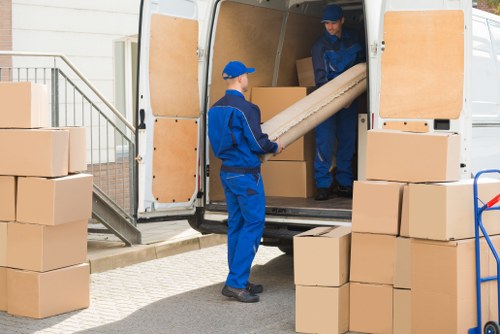 Man With Van Greenwich is committed to maintaining a safe, responsible, and professional moving service for customers, staff, and anyone who may be affected by our work. This health and safety policy sets out the standards we follow to reduce risks, protect property, and support safe operations at every stage of a move. We believe that safety is not an optional extra; it is a core part of reliable service.
Our approach is based on prevention, awareness, and careful planning. Every move is assessed for potential hazards before work begins, and tasks are carried out in a way that prioritises the wellbeing of everyone involved. Whether handling heavy furniture, loading delicate items, or working in shared spaces, our team aims to act with caution, professionalism, and respect.
 We expect all team members to follow safe working practices, use equipment correctly, and report concerns promptly. This policy applies to all moving activities, including lifting, carrying, loading, unloading, vehicle use, and temporary storage handling. It also applies when working in homes, offices, stairwells, driveways, or other locations where moving activities may create hazards.
Our Health and Safety Commitments
We maintain a clear commitment to safe moving operations by identifying risks early and controlling them effectively. Before a move begins, we consider route access, item weight, fragile goods, obstructions, surface conditions, and weather where relevant. We also encourage communication so that concerns can be raised before they become incidents.
Manual handling is one of the most common risk areas in the removals industry, so we train staff to lift correctly, work in pairs when needed, and avoid unnecessary strain. Where items are too heavy, awkward, or unstable to move safely by hand, we use appropriate equipment or adjust the method of work. No task should be attempted in a way that may cause injury.
We also believe in maintaining safe vehicles and equipment. Our vans are checked regularly to help ensure they remain suitable for transport work. Straps, trolleys, blankets, and other moving tools are inspected and used in line with safety expectations. 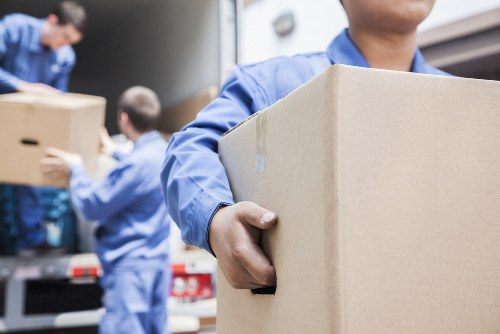 Equipment that is damaged, unsuitable, or unsafe is removed from use until it has been made fit for service.
Responsibilities of Our Team
Everyone involved in a move has a role to play in safety. Team members are expected to work carefully, stay alert, and follow instructions. They should wear appropriate clothing and footwear for physical work and avoid anything that could increase the risk of slips, trips, or injuries. They must also keep work areas clear where possible and avoid blocking exits or access routes.
Communication is essential. If a customer requests special handling for fragile, valuable, or unusual items, that information should be shared in advance or as early as possible. If a property has tight stairways, low ceilings, uneven flooring, or other access challenges, the team must assess whether the route is safe and practical. A move may be paused or adapted if conditions do not support safe working.
We also require all staff to act responsibly when working around other people. This means moving steadily, giving clear warnings when carrying large objects, and being aware of children, pets, and members of the public.  A careful and considerate approach helps reduce the chance of accidents and supports a more controlled moving process.
Managing Risks During a Move
Each job should begin with a basic risk assessment. This does not need to be complex, but it should be sufficient to identify hazards and decide how best to manage them. Common risks may include lifting injuries, collisions with walls or fixtures, falls on stairs, and damage caused by unstable loads. Where necessary, additional support or a revised plan should be put in place.
We place special attention on load security. Items inside the van must be arranged so they do not shift during transit. Heavier objects are positioned securely, and fragile goods are protected from pressure or impact. This reduces the risk of damage, improves vehicle stability, and helps create a safer working environment for the driver and crew.
Weather and environmental conditions can also affect safety. Rain, ice, strong winds, and poor visibility may make manual handling more hazardous. In such cases, the team may slow the pace of work, add extra caution, or delay certain tasks if conditions are unsafe. The aim is always to complete the move without compromising wellbeing or property.
Training, Reporting, and Continuous Improvement
 We support ongoing awareness through regular instruction, reminders, and practical experience. Staff are encouraged to improve their knowledge of safe lifting techniques, vehicle awareness, and hazard recognition. Training is not treated as a one-time activity; it is part of maintaining a strong and dependable safety culture.
Any accident, near miss, or unsafe condition should be reported as soon as possible. Reporting helps us understand what happened, take corrective action, and reduce the chance of a repeat incident. We review situations carefully and use what we learn to improve our processes, equipment use, and working methods.
Our health and safety policy is reviewed periodically to ensure it remains effective and relevant. When changes are needed, we update our procedures and reinforce them with the team. By keeping safety at the centre of our operations, Man With Van Greenwich aims to provide a service that is dependable, disciplined, and built on care for people and property.