Commercial Moves in Greenwich
Reliable moving support for businesses across Greenwich

If you are planning Commercial Moves in Greenwich, you already know the process can affect far more than boxes and furniture. A business move can disrupt staff routines, customer service, deliveries, stock handling, and day-to-day productivity. That is why local commercial relocation support matters. Greenwich has a mix of historic streets, busy town-centre access points, modern office spaces, retail units, hospitality venues, schools, and light industrial premises, all of which can present different challenges when it is time to move.
Whether you are relocating a small office, a shop, a clinic, a studio, or a larger corporate workspace, the aim is the same: move efficiently, protect your assets, and reduce downtime. A well-managed commercial move should feel structured and calm, not rushed and uncertain. From careful packing to building access planning and coordinated transport, the right team can make a big difference to how smoothly the day goes.
Local customers often ask for a service that is practical, flexible, and able to work around business hours. That is especially important in Greenwich, where commercial properties can range from period buildings with tight access to modern developments with loading restrictions. Choosing a local team familiar with the area can help you avoid unnecessary delays, reduce stress, and keep your relocation on schedule.
Why businesses in Greenwich need a specialised moving service

Commercial relocation is different from a home move in almost every way. Business equipment can be heavier, more valuable, more sensitive, or more time-critical. Desks, screens, archive cabinets, retail stock, trade tools, point-of-sale equipment, confidential paperwork, and specialist machinery all need different handling. In many cases, the move must be coordinated so staff can return to work quickly, clients are not left waiting, and operations restart with minimal disruption.
Greenwich includes a variety of commercial environments, from offices near transport hubs to independent shops and hospitality venues serving local residents and visitors. Many premises are in shared buildings, where lift times, loading bays, security arrangements, and access windows must be managed carefully. Others may be in older properties with narrow staircases, limited parking, or restricted vehicle access. A commercial removal service that understands these factors can plan ahead and keep the move running smoothly.
There is also the issue of timing. Businesses often need to move outside standard trading hours, over a weekend, or in phases. Flexible scheduling is particularly valuable for local companies that cannot afford a full day of lost activity. If your team needs help with a staged relocation, an internal office rearrangement, or a full business transfer, it helps to choose movers who can tailor the service to your operational needs.
What our commercial moving service can include

A good commercial removals service should be built around what your business actually needs, not a one-size-fits-all approach. Depending on the size and type of move, support may include packing, dismantling furniture, labelling assets, protecting equipment, loading, transport, unloading, and placing items in the correct rooms or zones at the destination.
For Greenwich businesses, this can be especially helpful in premises where access needs careful coordination. For example, an office in a converted building may need furniture taken apart before it can be moved safely. A retail unit might require stock to be grouped by category so staff can set back up quickly. A clinic or professional practice may need secure handling for records and sensitive equipment. Commercial moving support should be adaptable to these different needs.
Typical services may include:
- Pre-move planning and move-day scheduling
- Packing materials and safe wrapping for equipment
- Disassembly and reassembly of office furniture
- Careful handling of computers, printers, and electronics
- Transport of files, archive boxes, and office supplies
- Loading and unloading for shops, studios, and workplaces
- Placement of items in the new premises according to your plan
Additional support for business continuity
Some moves benefit from extra steps such as phased relocation, move labelling, and coordination with building managers. These details may sound small, but they can save time on the day and reduce confusion after arrival. If you want your staff to return to work quickly, structured moving support is one of the most useful investments you can make.
Types of commercial premises we can help with
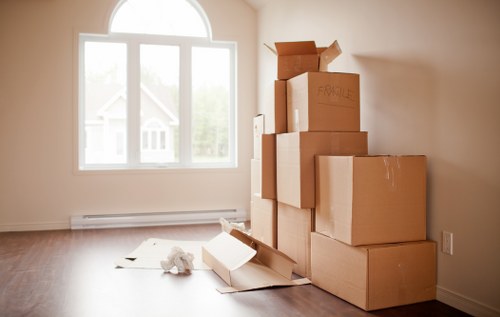
Greenwich has a broad mix of business premises, which means every move can feel different. A local moving team should be comfortable handling a wide range of commercial properties and business types. That includes traditional office spaces, retail shops, hospitality venues, creative studios, educational facilities, storage rooms, and professional service offices.
Office moves are among the most common commercial relocations in the area. These often involve desks, task chairs, filing systems, IT equipment, meeting room furniture, and communal items such as kitchen supplies and noticeboards. Retail moves can involve shelving, stock, display fixtures, tills, and seasonal inventory. In hospitality settings, timing and organisation are particularly important because equipment and furniture often need to be moved with minimal disruption to service.
It is also worth remembering that many Greenwich businesses operate from mixed-use buildings or shared spaces. That can make access more complex, especially where parking, loading, security, or lift use is controlled. A local team with practical experience in these environments can plan around the building’s rules, work with your schedule, and help prevent avoidable delays.
Examples of workplaces often requiring relocation support
- Small offices and shared workspaces
- Retail units and independent shops
- Hospitality and food service premises
- Clinics, studios, and consulting rooms
- Warehouses, stock rooms, and back-of-house areas
- Educational and training spaces
Why local knowledge matters in Greenwich

Local knowledge can be one of the biggest advantages when arranging a move. Greenwich includes busy roads, riverside routes, residential streets, and commercial pockets where parking and loading can be limited. Certain streets may be difficult for large vehicles at specific times, and some buildings require advance planning for access, lift use, or delivery arrangements. A team that regularly works in the area is more likely to understand these practical realities before they become problems.
That local familiarity also helps when moving between nearby districts. Businesses often relocate between Greenwich and surrounding areas such as Deptford, Blackheath, Charlton, Lewisham, Woolwich, Maze Hill, and the wider SE10 and SE8 areas. If your move includes short travel distances but complicated access at either end, local experience can save time and reduce stress. Understanding the local road network, parking patterns, and building layouts is especially useful on moving day.
For local businesses, this means fewer surprises. Instead of discovering that a loading area is blocked, a lift requires advance booking, or a narrow entrance needs special handling, the moving plan can already take those details into account. That is one reason businesses looking for Commercial Moves in Greenwich often prefer a team that works in the area regularly rather than a provider with no local familiarity.
Access challenges to think about in advance
- Restricted parking close to the premises
- Loading bay time limits
- Narrow stairwells or doorways
- Shared lifts or building sign-in procedures
- Traffic-sensitive routes and busy peak periods
- Protected floors, walls, or entrance areas that need extra care
How the commercial moving process usually works
A good moving process should feel clear from the first conversation through to completion. The aim is to understand your premises, your timeframe, your inventory, and any constraints that may affect the move. From there, a plan can be built that suits your business rather than interrupting it unnecessarily.
Step 1: Initial discussion
You explain what needs to move, where you are moving from and to, and any concerns about timing, access, or sensitive items. This is the stage where details such as furniture volume, IT equipment, archiving, or specialist assets can be discussed.
Step 2: Planning and preparation
The move is scheduled around your operations. If you need evening, weekend, or phased support, that can be incorporated where possible. Any packing needs, labels, or furniture dismantling can also be planned at this stage.
Step 3: Move day execution
Items are packed, protected, loaded, transported, and delivered in line with the agreed plan. This is where organisation matters most. The goal is to move efficiently while keeping items safe and ensuring the process stays under control.
Step 4: Placement and setup
At the destination, items are unloaded and placed in the correct areas so your team can begin unpacking or setting up workstations. If furniture needs reassembly, that can be handled as part of the service where agreed.
What makes the process smoother?
Clear communication, accurate inventory details, and realistic timing are key. Businesses that spend a little time preparing for the move often find the day itself is far easier. A structured approach also helps reduce the risk of loss, confusion, or delays when the new site needs to be operational quickly.
Preparation checklist for local businesses
Before moving day, it helps to prepare your team and your items carefully. Even a well-organised commercial move can become stressful if important steps are left too late. This checklist is designed to help Greenwich businesses get ready in a practical way.
Useful preparation tasks include:
- Confirm the move date, access times, and any building rules for both premises.
- Identify fragile, confidential, or high-value items that need special handling.
- Back up digital files and make sure IT equipment is prepared for transport.
- Label boxes by department, workstation, or room so unpacking is easier.
- Clear desks and secure personal items before the moving team arrives.
- Separate essential items that need to be available first at the new location.
- Check whether furniture needs to be dismantled or reassembled.
- Inform staff about move timings, responsibilities, and the new layout where possible.
For larger moves, it can help to appoint one internal contact who can answer questions on the day. That person can keep the process organised and make decisions quickly if anything needs adjusting. If you are moving a busy office, warehouse section, or customer-facing business, this kind of coordination can be extremely helpful.
Tip: If your premises include filing cabinets, archive rooms, or specialist workstations, arrange those items early in the planning stage. They often take longer to move properly than standard office furniture, and leaving them to the last minute can slow the whole operation.
Pricing factors for commercial removals
Businesses often want to know what affects the cost of a move, and that is a sensible question. While exact prices are not listed on this page, several practical factors influence how a commercial relocation is planned and quoted. Understanding these helps you compare options properly and avoid unexpected complications.
Common pricing factors include the size of the premises, the amount of furniture and equipment involved, the distance between locations, access conditions, and whether the move needs to happen outside standard business hours. A simple move with good access and a small amount of furniture will naturally differ from a larger relocation involving multiple floors, fragile items, and tight deadlines.
Other elements may include packing support, dismantling and reassembly, specialist handling for IT or sensitive equipment, and the number of team members required. If the move needs to be phased over several visits, or if there are difficult parking or loading arrangements in Greenwich, that may also affect the planning.
Things that can influence the quotation
- Volume and type of items being moved
- Number of floors or carrying distances
- Need for packing materials or packing labour
- Access limitations at either property
- Requirement for weekend or out-of-hours work
- Special handling for confidential, fragile, or heavy items
If you want a clearer idea of what your move might involve, request a free quote and share as much detail as possible. The more accurate the information, the easier it is to plan the move properly and recommend the right level of support.
Why choose a local company for Commercial Moves in Greenwich
There are good reasons to work with a local moving company when relocating a business in Greenwich. A nearby team can usually respond more flexibly, understand the area’s logistics, and adapt more easily if plans change. That is especially valuable for commercial customers who need precision and punctuality.
Local commercial movers are often better placed to understand how Greenwich businesses operate. They may be more familiar with busy trading streets, riverside developments, mixed-use buildings, and the practical realities of parking and access in this part of south-east London. If a move is happening between nearby areas such as Blackheath and Charlton, or from Greenwich to Deptford or Woolwich, local planning can reduce wasted time and unnecessary detours.
Benefits of choosing a local company include:
- Better understanding of local routes and access conditions
- More practical planning for parking and loading
- Flexible scheduling to suit business operations
- Quicker response for changes or last-minute adjustments
- A service that feels more personal and easier to coordinate
For many customers, the biggest benefit is confidence. When a mover knows the area, the route, and the likely access issues, you spend less time worrying about what might go wrong and more time focusing on your business. That confidence matters when staff, clients, and operations are all affected by the move.
Areas covered around Greenwich
Commercial moving needs do not stop at the Greenwich town centre. Businesses throughout the surrounding neighbourhoods often need flexible relocation support, whether the move is local or slightly further afield. A service based around Greenwich should be able to cover nearby commercial and residential-commercial zones with equal attention to access, timing, and careful handling.
Common nearby areas include:
- Greenwich town centre
- West Greenwich
- Maze Hill
- Charlton
- Blackheath
- Deptford
- Lewisham
- Woolwich
- Eltham
- Rotherhithe and nearby parts of south-east London
Many businesses also move between mixed commercial corridors and residential areas where small offices, home-based businesses, and studio spaces are located. That can create different logistical needs from one job to the next. A local service that covers a wider area can help whether you are upsizing, downsizing, relocating to a better-suited premises, or moving into a more convenient location for staff and customers.
If your business is based in a high-traffic area, a riverside development, or an older building with shared access, it is often worth booking early so the route and logistics can be properly planned. Book your service now if you want a structured move with minimal disruption.
Practical tips for moving day
Commercial moving days go more smoothly when everyone knows what to expect. Even with professional help, a little preparation can make a noticeable difference. The best results usually come from a combination of clear labelling, good timing, and thoughtful coordination between your team and the movers.
It is wise to keep essentials separate, especially items needed for the first few hours in the new location. These may include chargers, keys, basic stationery, access cards, important paperwork, or any equipment required for opening or starting work. If you are moving customer-facing premises, it can also help to set up the reception area or front-of-house space first.
Simple ways to keep the day on track
- Keep corridors and entrances clear before the movers arrive
- Label boxes in a way staff will immediately understand
- Keep fragile items together and clearly marked
- Make sure someone is available to answer layout questions
- Confirm which items must be placed first at the new site
Small details often make the biggest difference. When a move is organised well, staff settle in faster and the business can get back to normal much sooner. That is especially important for commercial customers who cannot afford unnecessary downtime.
Frequently asked questions about commercial removals
Do commercial moves in Greenwich need to happen outside office hours?
Not always, but many businesses prefer evenings, weekends, or phased moves to reduce disruption. The best timing depends on your type of business, the building access rules, and how quickly you need to resume work.
Can office furniture be dismantled and reassembled?
In many cases, yes. Desks, shelving, and some modular furniture may need to be taken apart for safe transport. Reassembly can often be arranged as part of the service if needed.
What if my premises has limited parking or a tight loading area?
That is common in Greenwich and surrounding districts. A local moving team can plan around these restrictions, but it is important to mention them early so the move can be scheduled properly.
Can sensitive files and equipment be moved securely?
Yes, provided the move is planned carefully. Confidential paperwork, archive boxes, and delicate electronics should be identified in advance so they can be packed and transported appropriately.
How far in advance should I book?
As early as possible, especially if your move needs a specific date or out-of-hours support. Early booking gives more time for planning, staff preparation, and access arrangements.
Can you help if I am moving a small business rather than a large office?
Absolutely. Small businesses often need just as much care as larger ones, especially when they rely on quick turnaround and limited downtime. A smaller move can still benefit from professional handling and structured planning.
Choose a commercial move that keeps your business moving
Relocating a business is a major task, but it does not have to disrupt everything you have built. With the right preparation, clear communication, and a moving team that understands Greenwich, the process can be much more manageable. From office furniture and IT equipment to stock, files, and specialist business assets, each part of the move deserves careful attention.
For local businesses, the value of a dependable moving service is simple: less downtime, fewer delays, and a smoother return to normal operations. Whether you are moving within Greenwich, heading to a nearby district, or relocating across south-east London, it pays to work with a team that can plan around your premises, your schedule, and your customers.
If you are preparing for a relocation and want a professional approach that suits your business needs, contact us today to discuss your move. Request a free quote and get the process started with a team that understands commercial moves in Greenwich. Book your service now if you are ready to take the next step and move with confidence.